Protecting Water Supply From Reverse Flow
Backflow Services in Henderson for Properties Requiring Device Testing, Repair, or Installation
Backflow prevention devices stop contaminated water from reversing direction and entering potable water supplies, a scenario that occurs when pressure changes in plumbing systems create conditions for unwanted flow. Properties with irrigation systems, fire suppression equipment, commercial plumbing setups, or specific water-using processes often require backflow prevention as part of their plumbing configuration. Burkes Plumbing & Backflow Services LLC handles backflow work in Henderson for residential and commercial properties needing device installation, testing, or repair to maintain proper water protection and meet regulatory requirements where applicable.
Backflow services address the entire lifecycle of these protective devices, from initial installation on systems that require them to annual testing that verifies continued proper operation. Devices that fail testing need repair or component replacement before they can provide reliable protection again. The specific service required depends on whether a property needs a new device installed, an existing device tested for compliance, or a malfunctioning unit repaired.
Contact Burkes Plumbing & Backflow Services LLC to discuss backflow device requirements or schedule testing for an existing installation.
What Proper Backflow Protection Requires
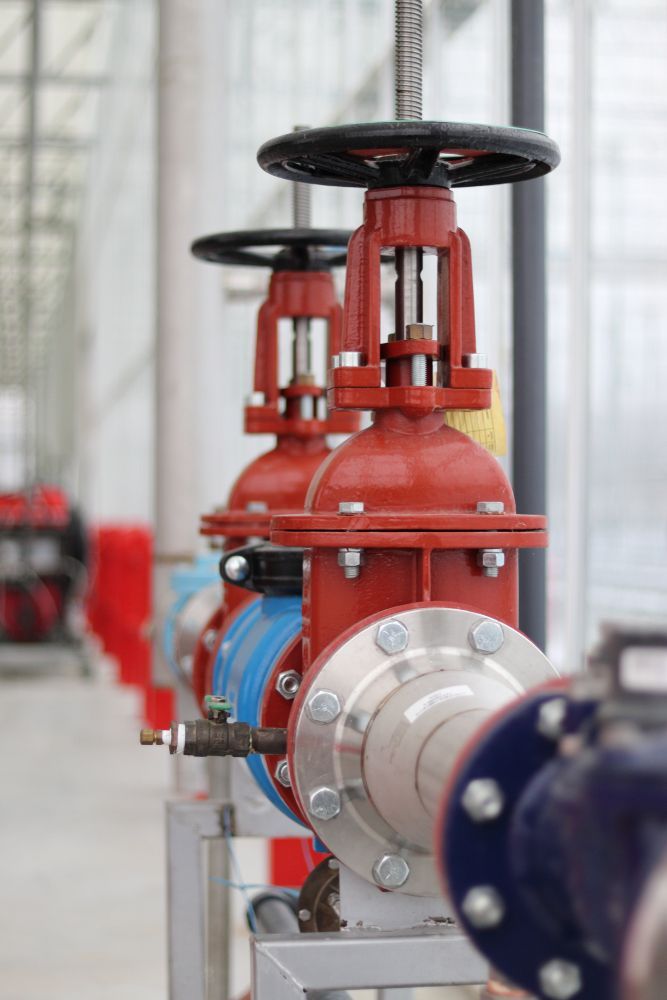
Backflow prevention relies on mechanical devices installed at critical points in plumbing systems where cross-connections between potable water and potential contamination sources exist. These devices use check valves, air gaps, or pressure differentials to block reverse flow when normal system pressure drops or downstream pressure increases unexpectedly. The device type required depends on the hazard level present—whether the potential contaminant presents a health risk or simply a nuisance concern.
When backflow devices function correctly, potable water supply remains protected from contamination even during pressure fluctuations, backpressure events, or backsiphonage conditions. Testing verifies that internal components seal properly, check valves operate without sticking, and the device responds appropriately to simulated backflow conditions. Properties with functioning, properly tested devices meet water safety standards and avoid the compliance issues that arise when devices fail testing or go untested beyond required intervals.
Backflow device installation must account for system pressure, flow requirements, and local water quality conditions that affect device longevity. Properties in areas with hard water or sediment in supply lines may experience faster component wear, requiring more frequent maintenance attention. Annual testing schedules catch deterioration before devices fail completely, though repair needs can arise between testing cycles if components malfunction.
Backflow Service Questions We Hear Often
Property owners dealing with backflow requirements in Henderson typically need clarification about why these devices matter and what maintaining them involves.
What situations require backflow prevention devices?
Properties with irrigation systems connected to potable water supplies, buildings with fire sprinkler systems, commercial facilities using water for processing or chemical mixing, and any setup where non-potable water sources could connect to drinking water lines all typically require backflow prevention. The specific device type and installation point depend on the cross-connection hazard present.
How often do backflow devices need testing?
Many jurisdictions require annual testing performed by certified technicians who document that the device operates within specifications. Testing involves checking pressure differentials across device components, verifying that check valves seal completely, and confirming that relief valves open at correct pressure thresholds. Failed tests require repair before the device can pass re-testing.
What causes backflow devices to fail testing in Henderson?
Internal component wear from regular operation, sediment accumulation that prevents valves from sealing properly, spring fatigue that affects pressure response, and corrosion from water chemistry all cause test failures. Devices installed in outdoor locations exposed to temperature extremes and weather may deteriorate faster than protected indoor installations.
Can you tell if a backflow device is malfunctioning without testing?
Some failures produce noticeable symptoms—such as continuous water discharge from the relief valve, reduced water pressure downstream of the device, or unusual sounds during water flow—but many malfunctions remain undetectable during normal use. Only proper testing reveals whether internal components function correctly and provide actual backflow protection.
What happens during backflow device installation?
The process involves selecting the appropriate device for the specific cross-connection hazard, installing it at the correct location in the plumbing system, ensuring proper drainage for relief valve discharge, and testing the device immediately after installation to verify correct operation. Installation also considers access for future testing and maintenance.
Burkes Plumbing & Backflow Services LLC specializes in backflow prevention for Henderson properties requiring device testing, repair, or new installations. Request backflow service when testing deadlines approach or device problems affect water system operation.